Māori cultural performance with museum admission
A Māori cultural performance led by indigenous artists and orators, plus general admission to Auckland Museum, valid for one day.
Check dates and fares ↗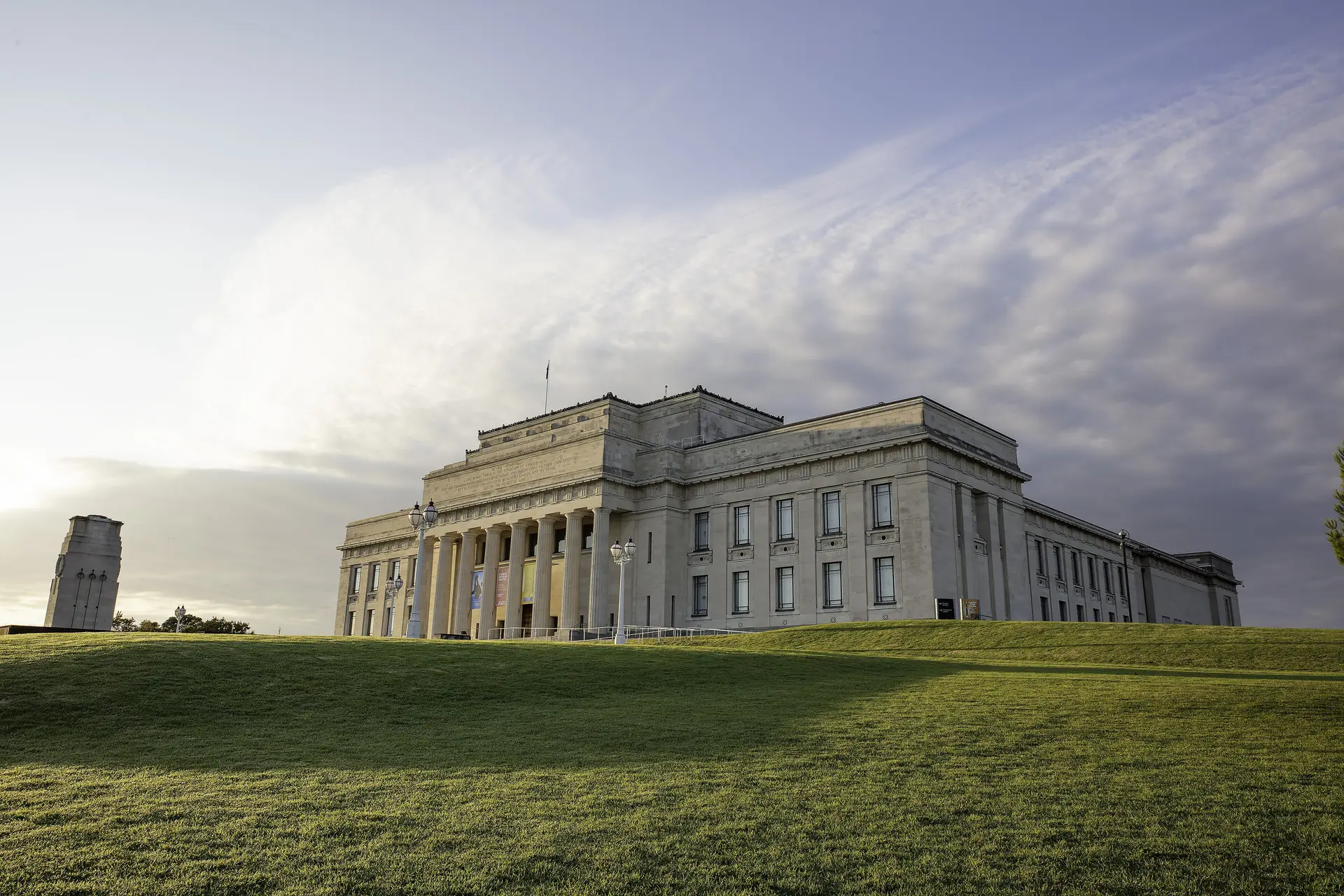
Māori performance · Auckland Museum
Waiata, poi and storytelling led by indigenous artists and orators, inside a museum on the rim of a volcanic crater.
Likely to sell out. A haka explained, songs sung and poi swung, then the museum is yours for the day.
Why this museum
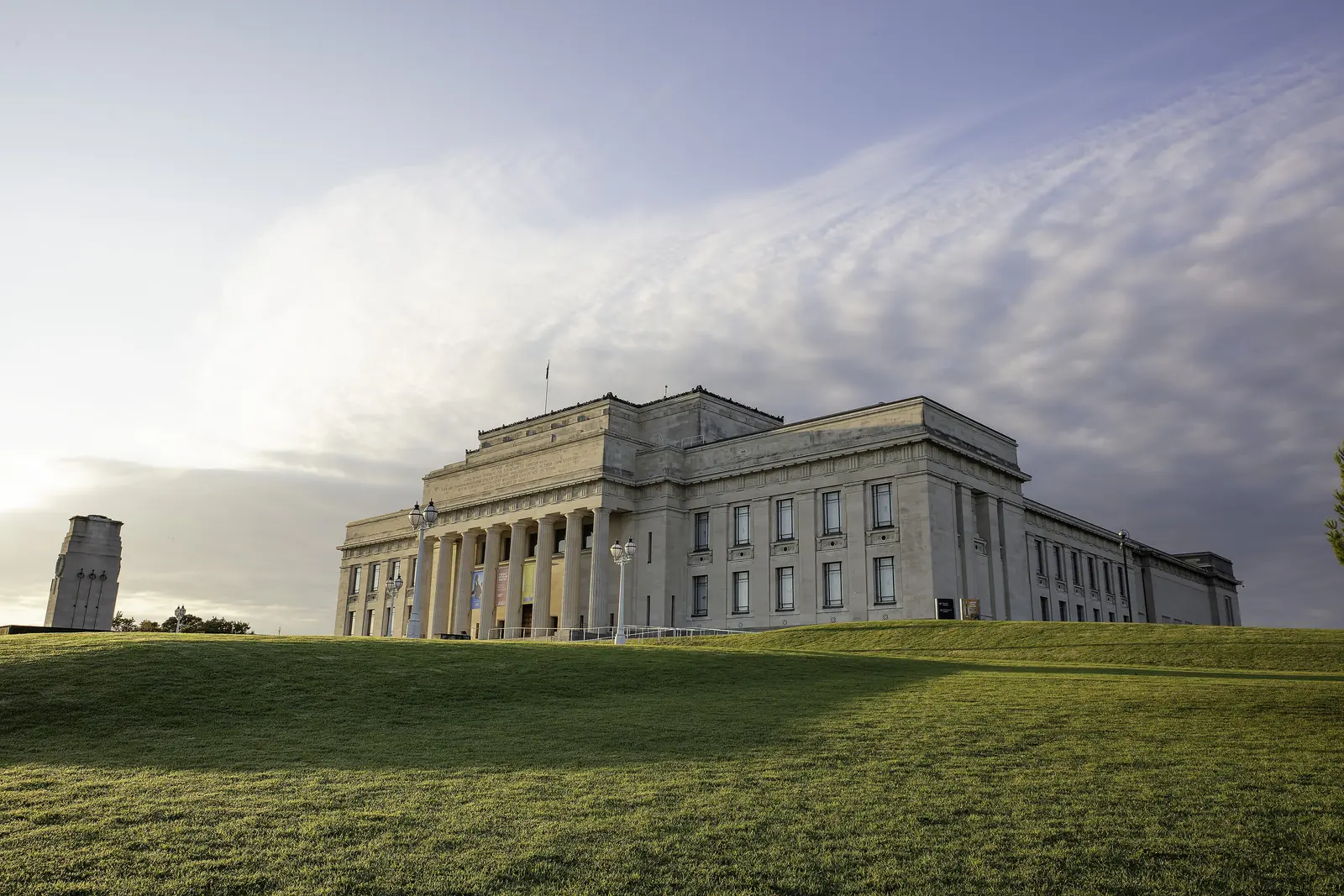
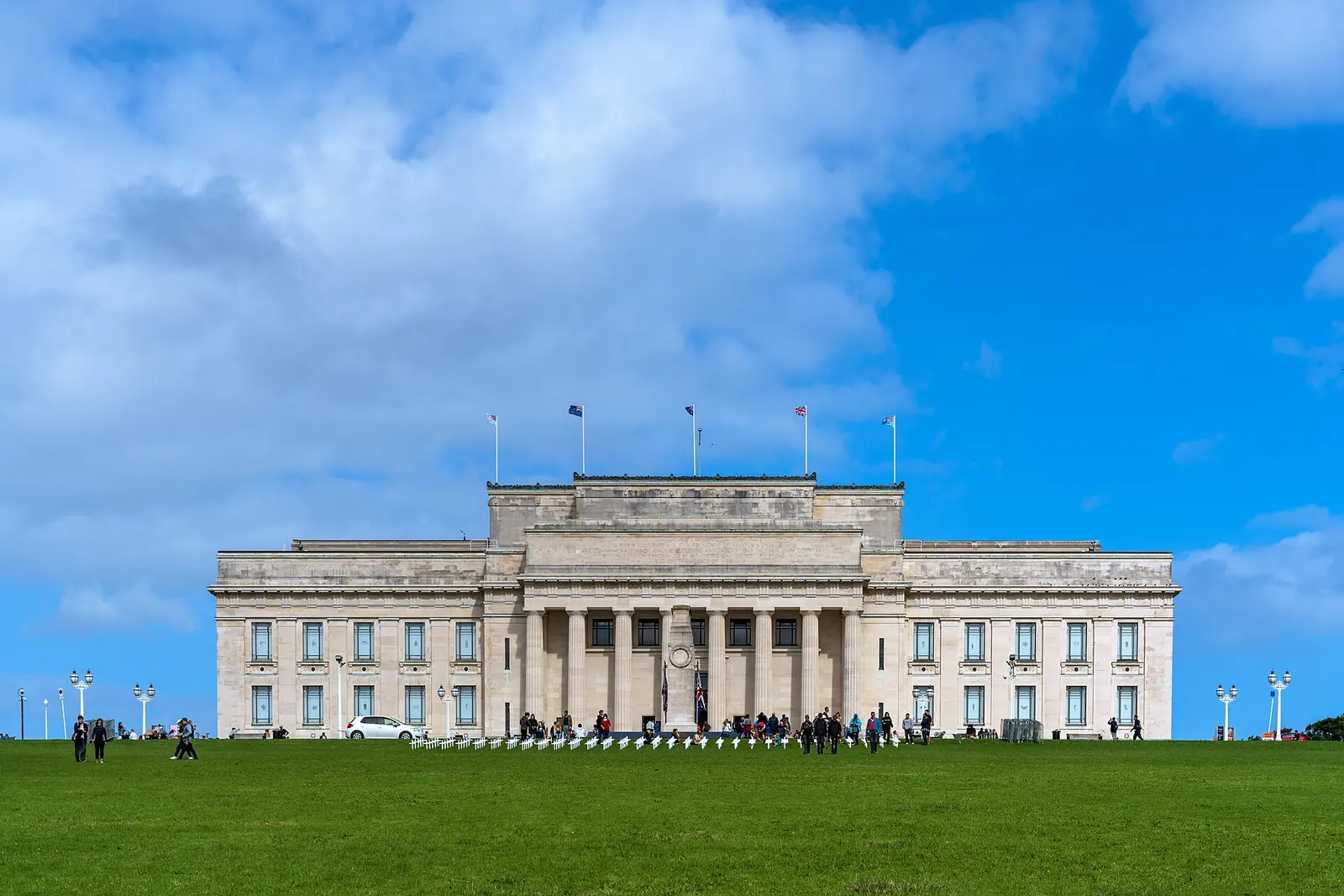
Auckland Museum's neoclassical building stands on Observatory Hill, the remains of a dormant volcano. The Auckland Domain around it is the remains of the explosion crater and most of the tuff ring of the Pukekawa volcano, and the museum sits on the crater rim.
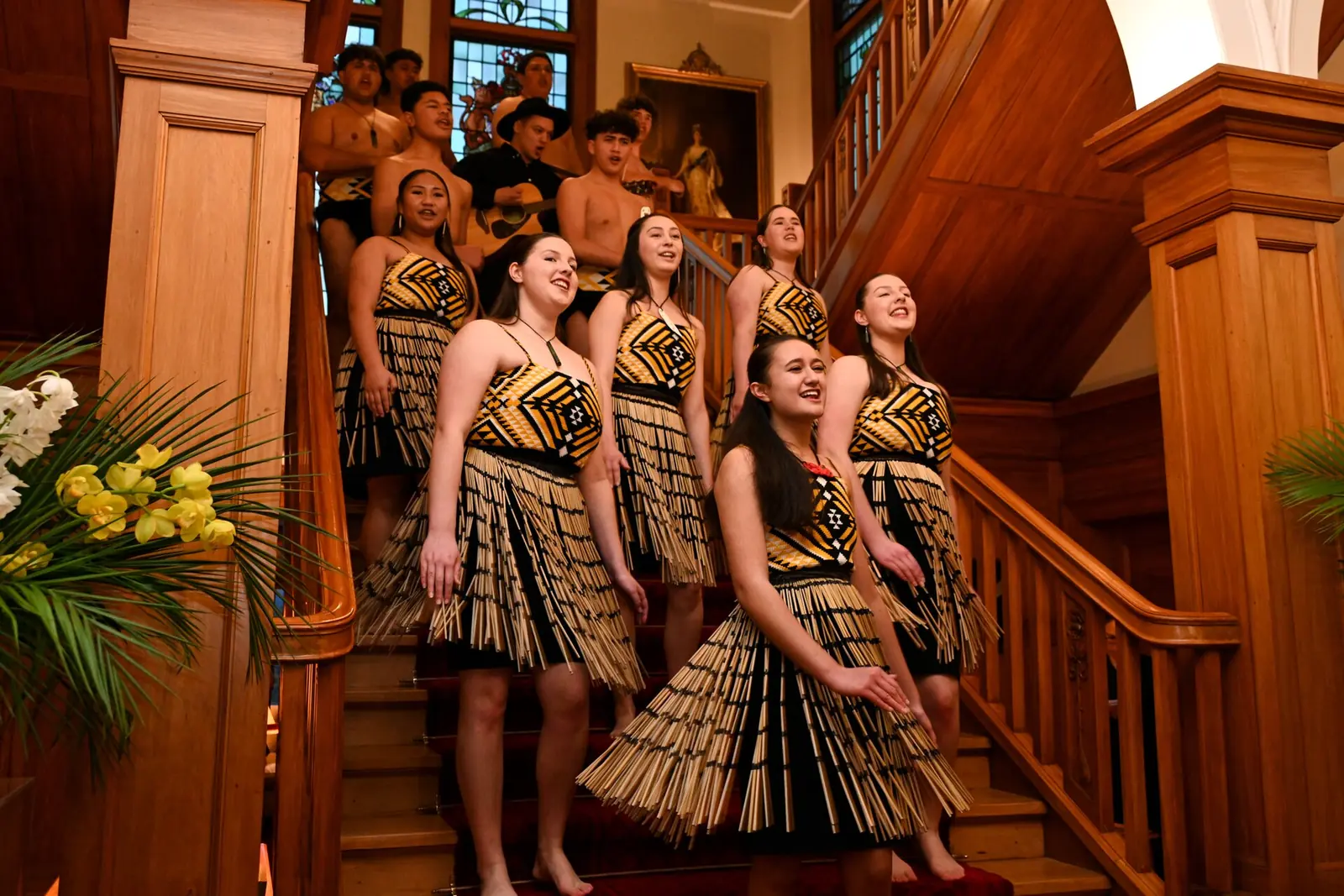
The museum describes the session as an introduction to Māori culture by a group of esteemed indigenous artists and orators. You hear songs, see poi skills in action and learn about the endurance of Māori people through history.
Taonga is the Māori word for a treasure, or something prized. The museum presents Māori culture as a living taonga of Aotearoa New Zealand, and the session carries that title.
The museum says the session is tapu, which it translates as sacred, and briefs visitors on protocols before they enter the auditorium. The haka is explained: its origins, traditional uses and differences.
Vocabulary of the form
Kapa haka means the action songs of Māori and the groups that perform them. One performance joins several kinds of song and dance into a single piece, and these six are the kinds usually named.
Waiata tira
A choral piece that warms up the voices and introduces the group to the audience, in a manner that is generally light and positive.
Whakaeke
A choral piece, often used to comment on a social issue of the day or to commemorate someone, or simply as the entrance song that announces the group's arrival.
Waiata-ā-ringa
Literally a song of hands or arms. Arm and hand actions embellish and reinforce the sung poetry, with the trembling of the hands called wiri.
Poi
Balls attached to cords are swung in synchrony, in a variety of figures and rhythms, while the performers sing. The sound of the poi striking the hands is part of the music.
Haka
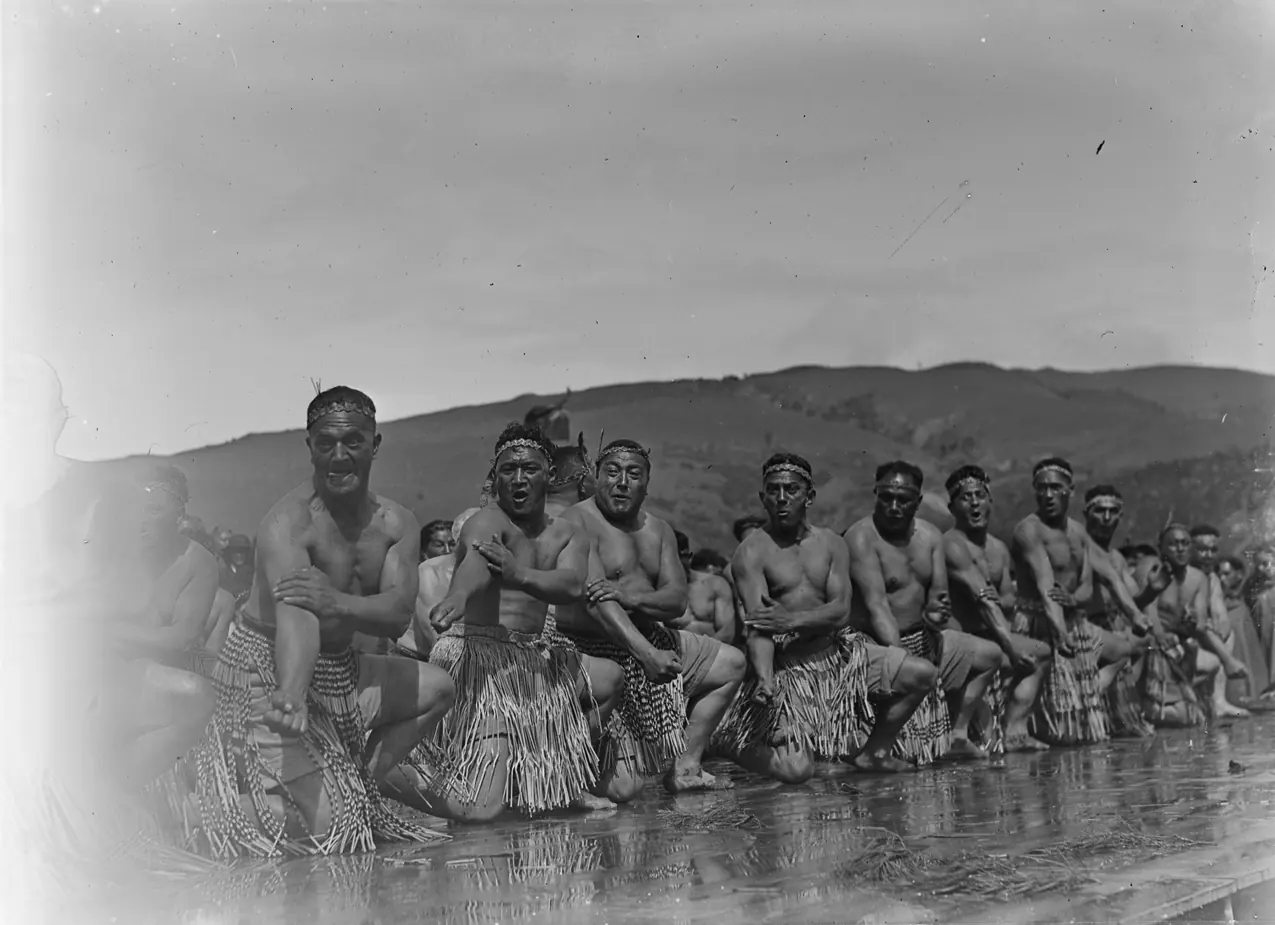
Used to make a point, honour someone or something, tell a story or express an emotion, and performed by both men and women. Māori scholars consider it erroneous to call haka typically war dances.
Whakawātea
A choral piece used to farewell the audience or make a final point before departing the stage.
The museum's session is its own programme, described as songs, poi and storytelling with the haka explained, and the museum may vary programmes. Treat this as the vocabulary of the form, not a running order.
The building
The ticket opens Auckland War Memorial Museum, also called Auckland Museum, whose Māori name is Tāmaki Paenga Hira.
The hill and the hall
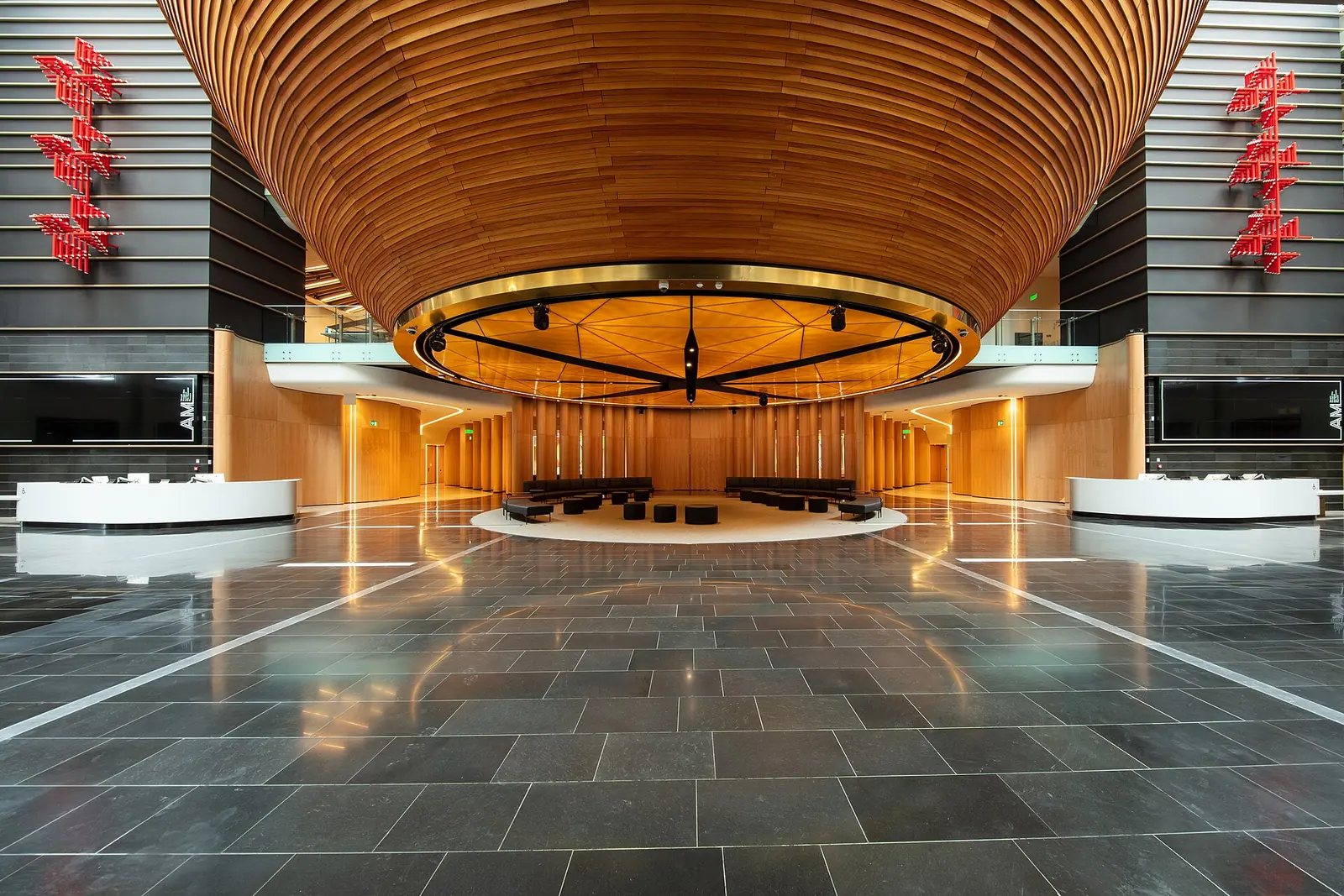
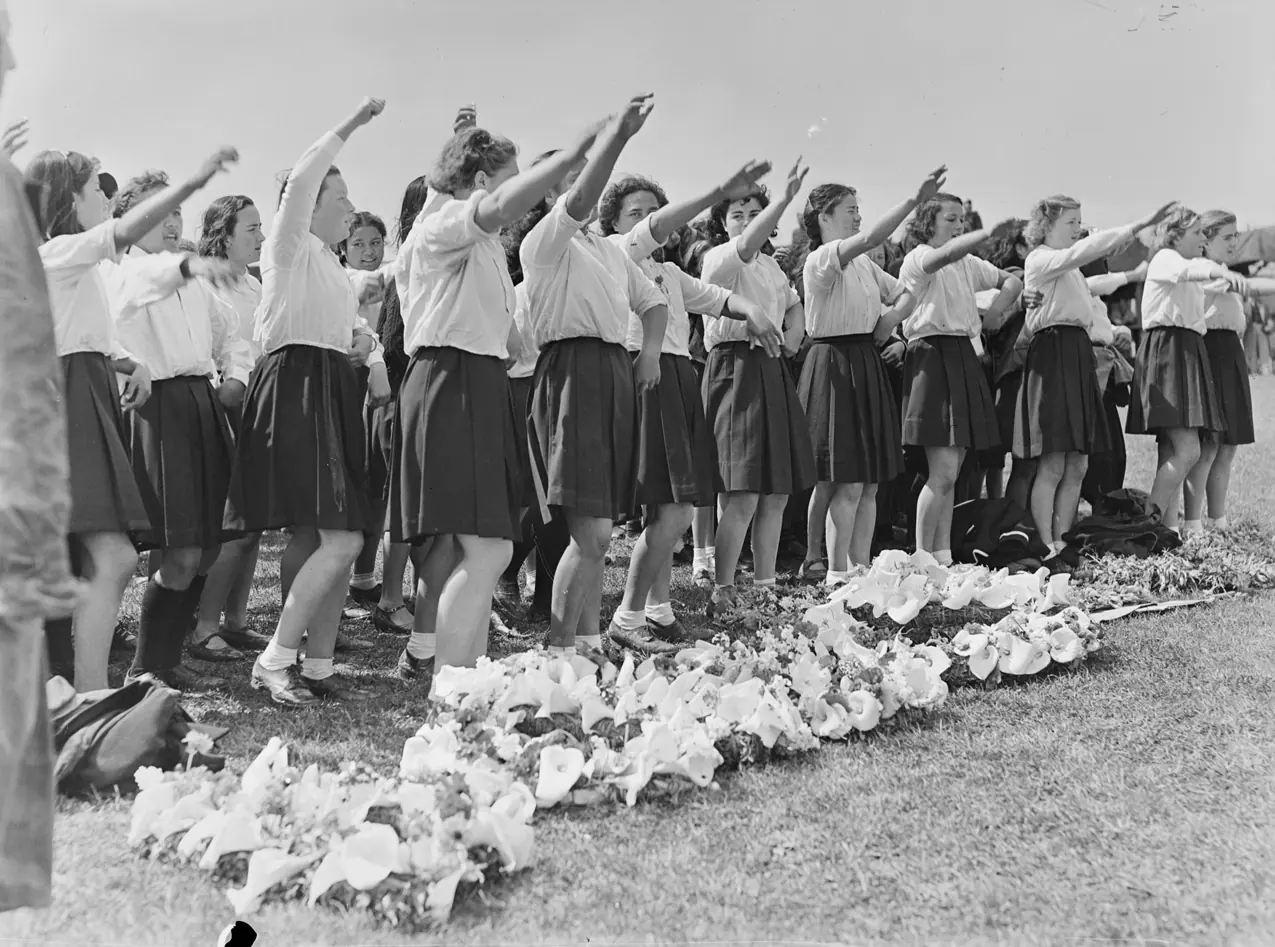
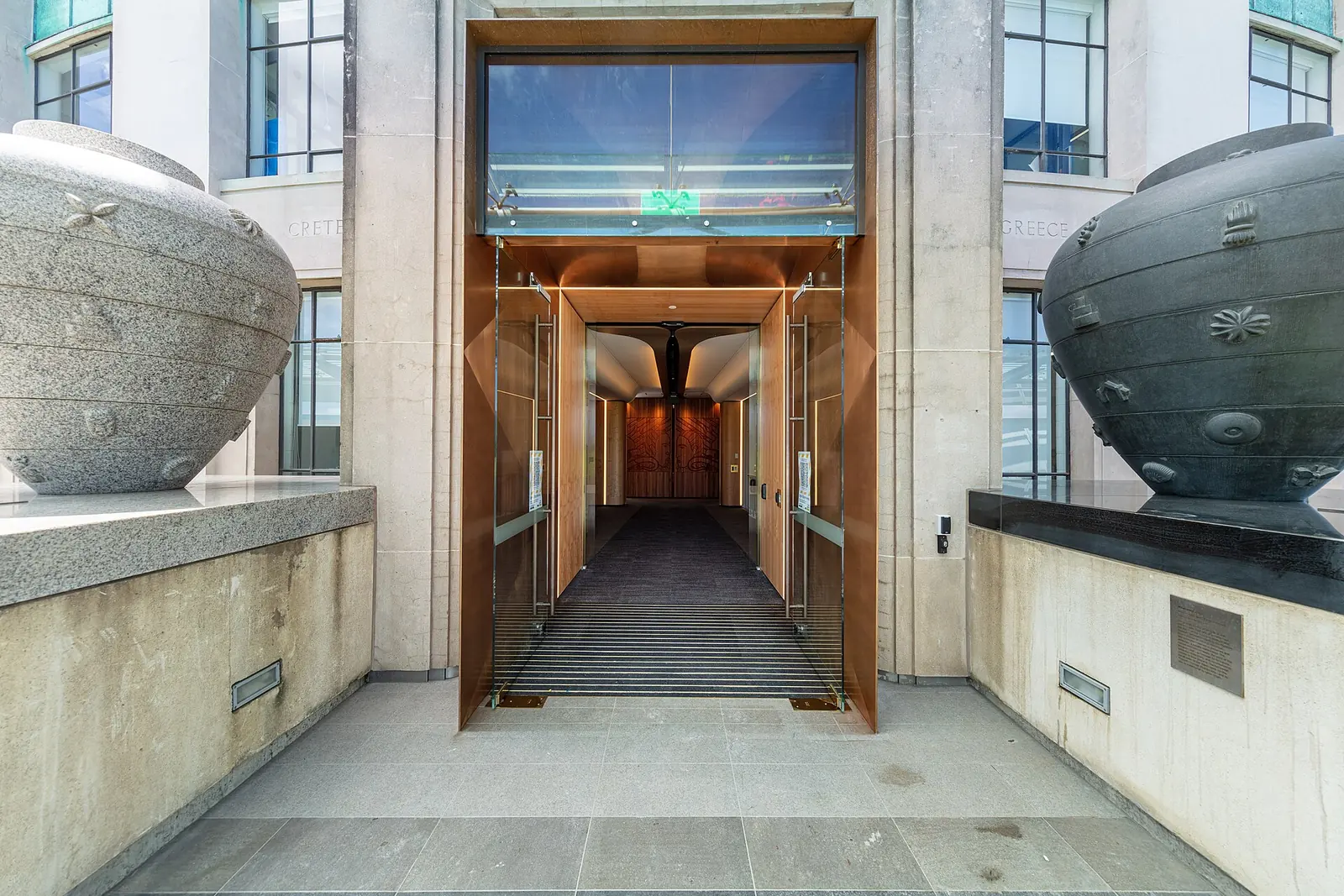
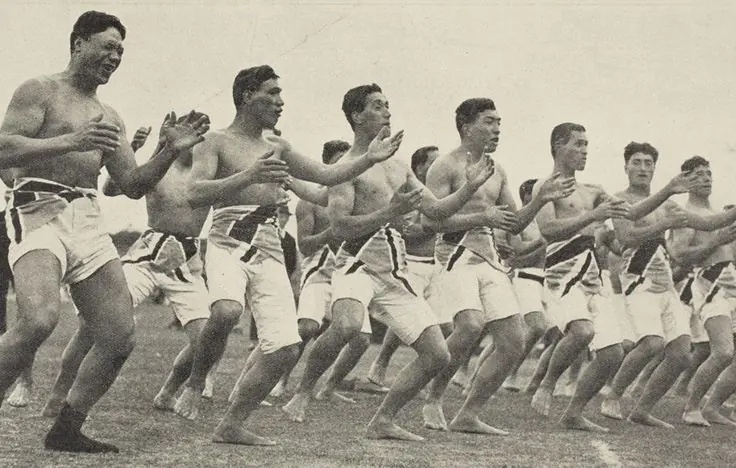
Auckland Museum on its hill and under its Tanoa bowl, beside kapa haka and cultural performance groups. Where a photograph shows another place or another time, its description says so.
Tickets compared
| Ticket | What it covers | Who it suits |
|---|---|---|
| Māori cultural performance with museum admission | A Māori cultural performance led by indigenous artists and orators, plus general admission to Auckland Museum, valid for one day. | Anyone who wants the songs, poi and haka explained before walking the galleries. |
| Auckland War Memorial Museum entry ticket | General admission to the museum's galleries on the date you choose. For the Māori performance, book the combined ticket. | Visitors who only want the galleries, at their own pace. |
| Waitematā Harbour sailing cruise with 3-course dinner | A 2.5-hour sailing dinner cruise on the Waitematā Harbour, with a welcome drink, a three-course meal and live commentary from the crew. | Visitors who want an evening on the water after a day at the museum. |
Auckland tickets
The first card opens the Māori performance with museum admission. The other two are separate listings, each with its own rating, fare and terms.
A Māori cultural performance led by indigenous artists and orators, plus general admission to Auckland Museum, valid for one day.
Check dates and fares ↗General admission to the museum's galleries on the date you choose. For the Māori performance, book the combined ticket.
Check dates and fares ↗A 2.5-hour sailing dinner cruise on the Waitematā Harbour, with a welcome drink, a three-course meal and live commentary from the crew.
Check dates and fares ↗More to book in Auckland
Before you go
Guides to the performance and the museum
Tickets, meeting point, what happens How to book the Māori cultural performance at Auckland Museum: what the combined ticket covers, where to meet, how the session runs and what is closed.
Read this guide → Transport, parking, bags, access How to get to Auckland Museum in Parnell: on foot, by bus or train, by car, which door, what to do with bags, opening days and access.
Read this guide →FAQ
Yes. The combined ticket includes general admission to the museum and is valid for one day, so the galleries are open to you before and after your session.
Inside Auckland Museum. The museum asks you to meet ten minutes before the session starts in the Auditorium Lobby on Level 2.
Songs, poi skills and storytelling led by a group of indigenous artists and orators, with the origins and meaning of the haka explained.
Select a date and a session in the calendar. The start time for that day appears in your confirmation.
Ask the hosts at the briefing rather than assuming. The museum calls the session tapu and briefs every visitor on protocols before the auditorium.
The ticket is marked wheelchair accessible. The museum says every area can be reached by wheelchair except the whare rūnanga Hotonui.
No. The performance is not available on Anzac Day, 25 April. The museum is closed only on Christmas Day.
The museum says some galleries, including those two, are currently closed. Other galleries hold Māori collection items, and Te Ripo o Te Moana: Taonga Through Time is listed on Level 1.
Fares here are per adult, quoted in US dollars. The booking calendar converts them for your own currency.